



Wood Deck Stains for Log Homes
Whether you're staining a new deck or restoring an old one, Western Log Home Supplies line of deck stains, cleaning and maintenance products can help you achieve professional quality results.
Before you begin your wood deck or porch project, make sure you start off right. We're here to help with step-by-step guidance - from cleaning the surface to applying the final protective coat.


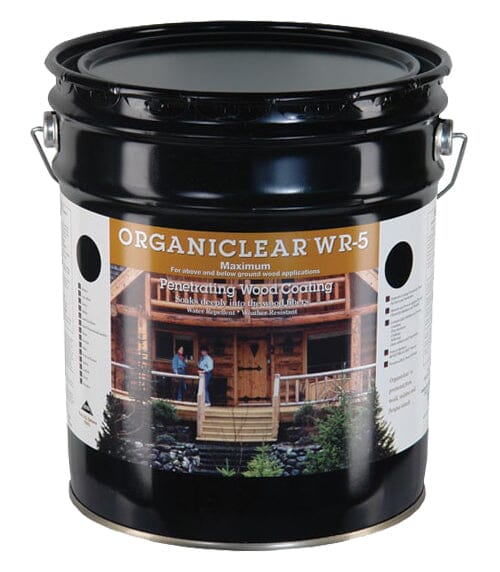
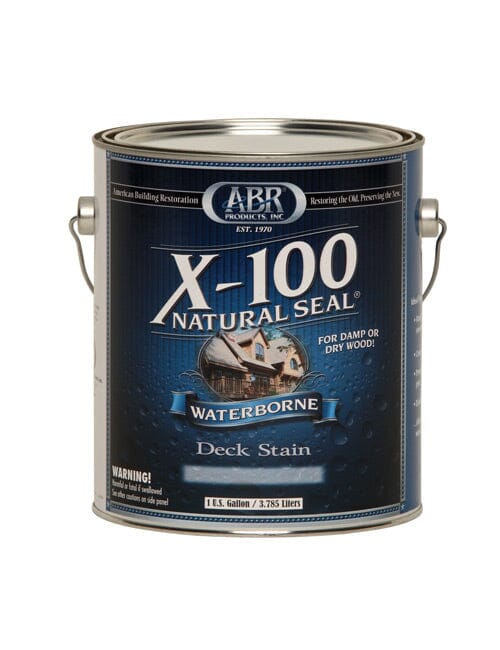
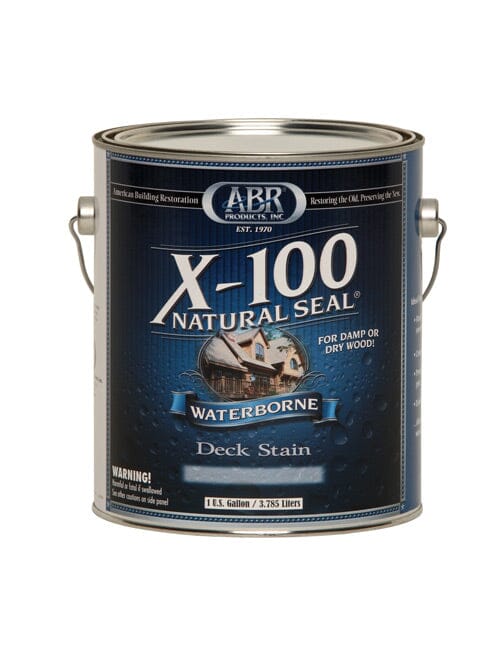
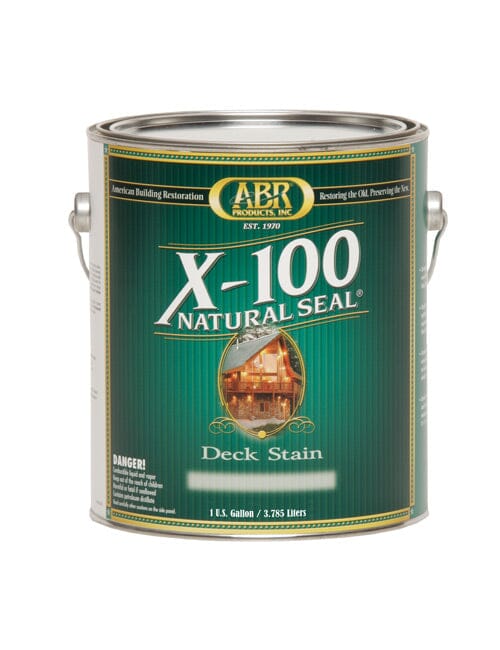
Frequently Asked Questions About Decks Stains
Western Log Home Supply is the log home stain expert, and we're ready to answer your questions. Read on for more information, and be sure to contact us for additional details.
Maintaining a deck in regions with harsh weather conditions can be a challenge. Extreme temperatures, especially with drastic fluctuations, cause significant wear and tear.
Challenges
- Intense UV Radiation: Sun exposure can degrade wood surfaces, causing fading, warping, and cracking.
- Moisture Damage: Snow, ice, and humidity can contribute to rot and mold growth.
- Temperature Extremes: Rapid temperature fluctuations can cause structural stress and premature aging.
Solutions
- High-Quality Materials: Investing in quality materials upfront can extend a deck's lifespan. For example, composite materials withstand extreme conditions better than untreated wood.
- Protective Coatings: Use UV-resistant stains or sealants. These products protect against sunlight and help maintain the deck's color and integrity.
- Periodic Maintenance: Regular cleaning and inspections help catch issues early. Sanding the deck's surface and reapplying sealant or stain as needed can prevent long-term damage.
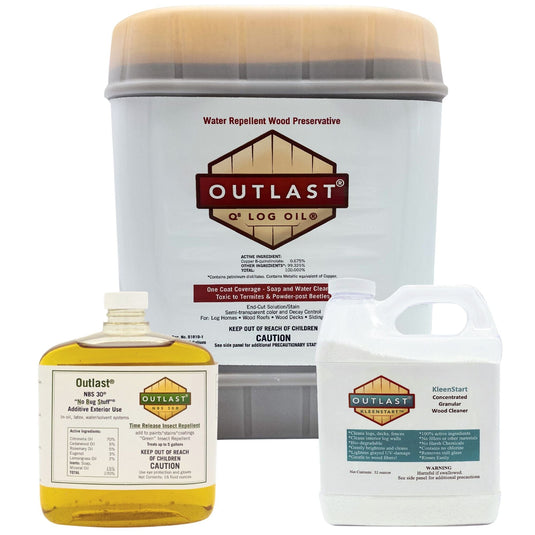
- Specialized Products: Consider products designed for challenging climates, such as those that require minimal maintenance. Some coatings only require periodic recoating with simple tools such as a garden sprayer. Additives such as the M-1 Mildew Treatment protect against mold and mildew growth in high-humidity environments. The NBS30 Insect Additive deters insects such as Carpenter Bees that drill into wood.
By addressing these challenges with proactive solutions, you can ensure your deck remains durable and vibrant, even under extreme climate conditions.
Owning a deck is a great addition to any home, but it does require its fair share of maintenance. However, by following these best practices for sealing and staining, you can minimize the effort and maximize your deck's lifespan.
1. Preparation is Key
Start by inspecting the deck. Ensure it is clean and free of debris. If it's your first time sealing, or if the deck hasn't been treated recently, washing it is a significant first step. By doing this, you create a clean surface and open the wood's pores so it can properly absorb the stain.
2. Choose the Right Treatment
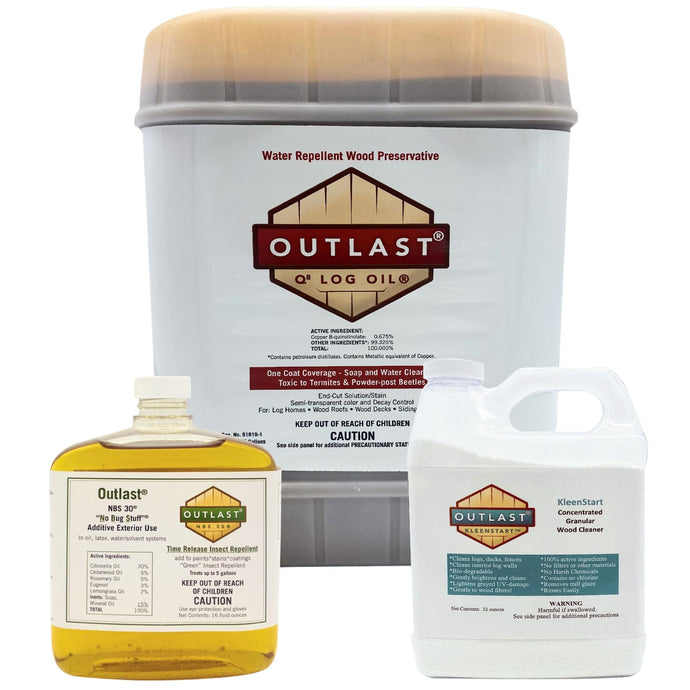
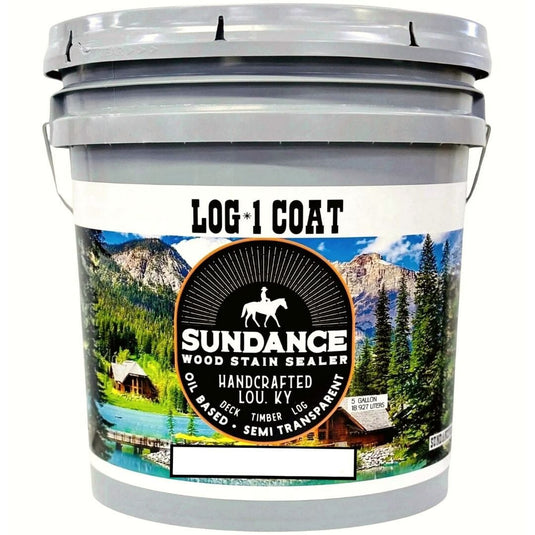
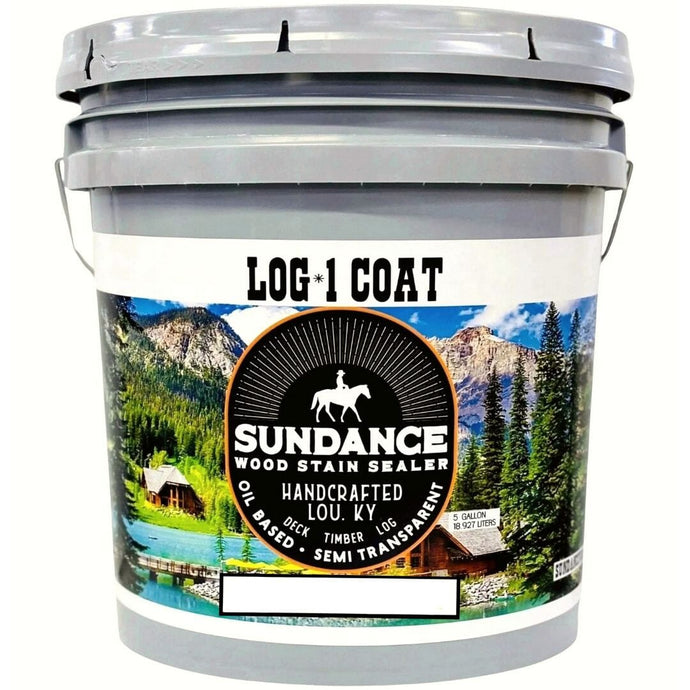
Your choice of stain or sealant matters. Opt for a quality product designed for long-lasting protection. Products that offer a "once-in-a-lifetime" treatment are optimal, as they reduce the frequency of reapplication. However, make sure your deck is free of existing sealers or coatings before applying these treatments. A few of our most popular deck products are the Outlast Q8 Log Oil and Log 1 Coat products.
3. Application Process
- Deck Wash: For new or old decks, the Outlast Kleenstart Cleaner effectively removes dirt and grime, restores gray, UV-damaged wood, and opens wood pores.
- Check for Absorption: Before choosing a treatment, conduct a simple water test. Sprinkle some water on the deck; if it’s absorbed quickly, your wood is ready for a new treatment.
- Application of Treatment: Apply the sealer or stain evenly, using a brush or roller. Some products Follow the manufacturer's instructions for the best results.
4. Understanding Maintenance Needs
Even with robust treatments, periodic maintenance is necessary:
- Check for Water Beading: While immediate water repellency (beading) is ideal, the absence of it doesn’t necessarily mean the wood isn’t protected.
- Regular Cleaning: Keep your deck clean from debris and dirt, which can harbor moisture and lead to deeper issues.
5. Long-Term Care
No treatment lasts forever. Regularly inspect your deck for signs of wear or deterioration. Reapplication might not be as frequent with high-quality products, but should be done as necessary to maintain protection.By following these steps, you can ensure your deck remains protected with minimal maintenance, allowing you to enjoy it for years to come without constant worry.
Sanding is one of the most effective ways to prepare your deck for a fresh coat of stain. It smooths out surface imperfections and opens up the wood grain, allowing stain to penetrate more deeply for a more even, long-lasting result. For older decks especially, sanding can truly rejuvenate the wood — giving your stain a clean foundation to seal and protect from the elements.
That said, the right approach depends on your deck's condition and history. If the wood has never been sealed, sanding alone is usually all you need. If there's an existing sealer or old stain, you'll want to strip those layers first to get the best results.
Here's a quick guide to doing it right:
1. Inspect First — Check for old sealants or coatings. If present, use the combination of a pressure washer and a quality wood cleaner (like Outlast Kleenstart) to make the sanding process easier.
2. Use the Right Grit — Start with a coarser grit sandpaper to work out roughness, then finish with a finer grit for a smooth, stain-ready surface. It is recommended to not use anything finer than an 80 grit. If wood is too smooth, it can be difficult for stain to penetrate the wood.
3. Sand Consistently — Uneven sanding leads to uneven stain absorption. Work the entire surface uniformly so your final color goes on smooth.
4. Clean Thoroughly Afterward — Sawdust and debris left behind will interfere with stain penetration. Wash the deck well and let it dry completely before applying any product.
While sanding won't stop wood from aging naturally, it sets the stage for your stain to do its job — protecting the surface, locking in color, and extending the life of your deck for years to come.